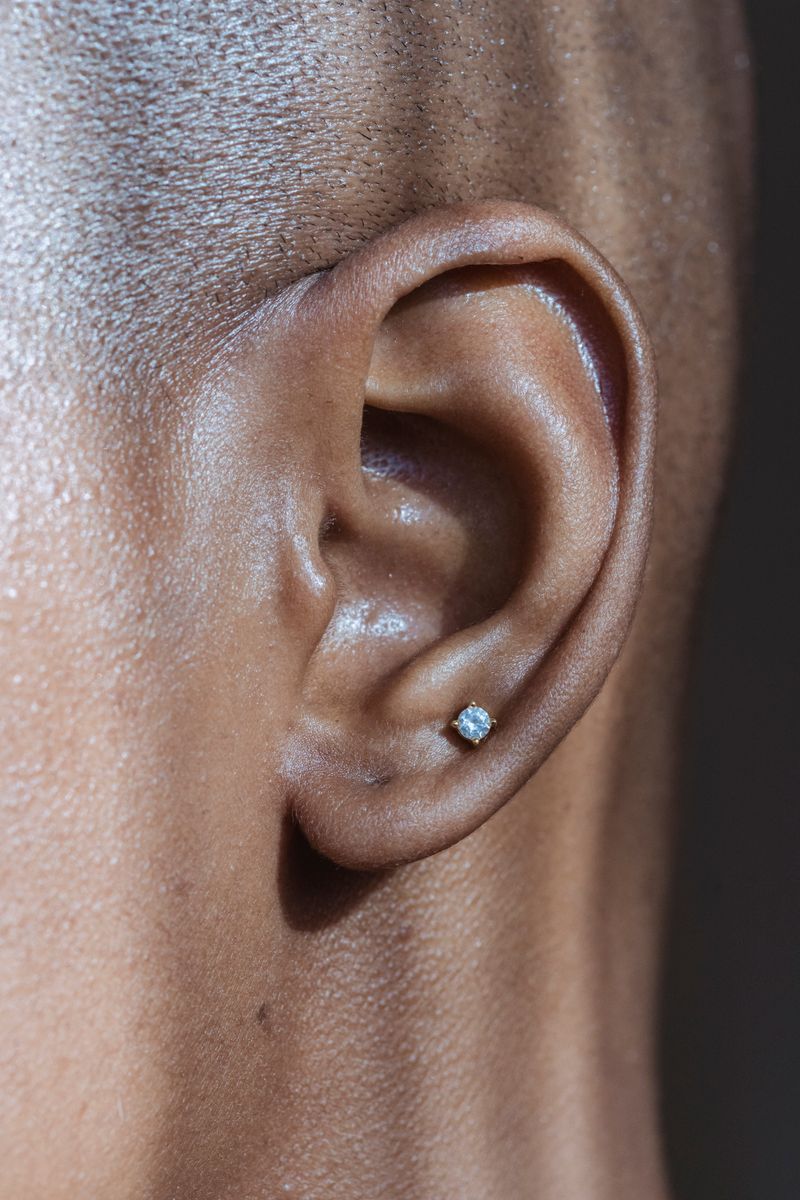
Standard Earlobe Piercing
The classic stud placement in the soft lobe — the easiest entry point to being pierced.
₹350Incl. jewellery
Details →Every piercing is carried out with a sterile, single-use hollow needle — never a gun — by a piercer who works exclusively in body piercing. We use implant-grade titanium and 14k gold jewellery, and we will not rush a placement to suit a faster appointment slot.
Your price includes the piercing, a pair of jewellery of your choice, a printed aftercare guide and a complimentary check-up during healing. If anything feels wrong in the weeks that follow, come back to us — aftercare advice is always free.
Every price below is the price you pay — it already includes your jewellery. Grouped by where the piercing goes.
From a simple lobe stud to an industrial bar, the ear offers more placement options than anywhere else on the body.
The classic stud placement in the soft lobe — the easiest entry point to being pierced.
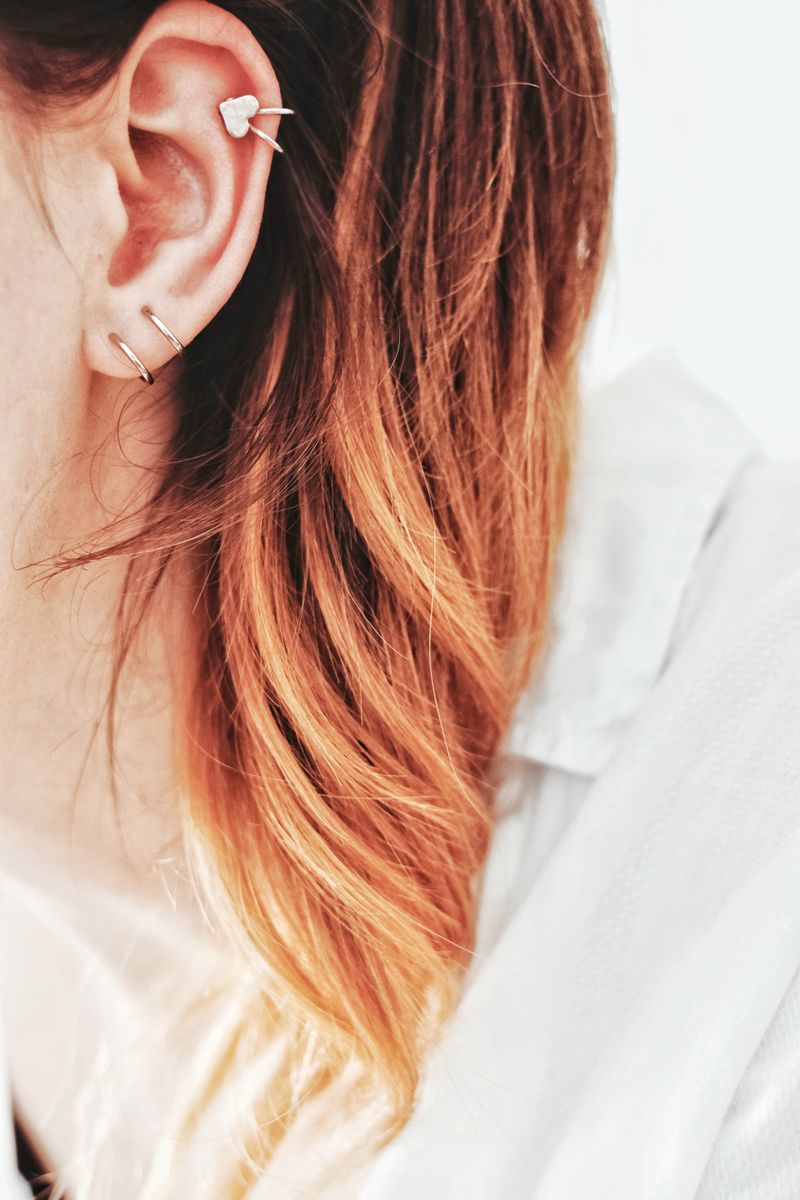
A small, precise piercing in the cartilage flap just in front of the ear canal.
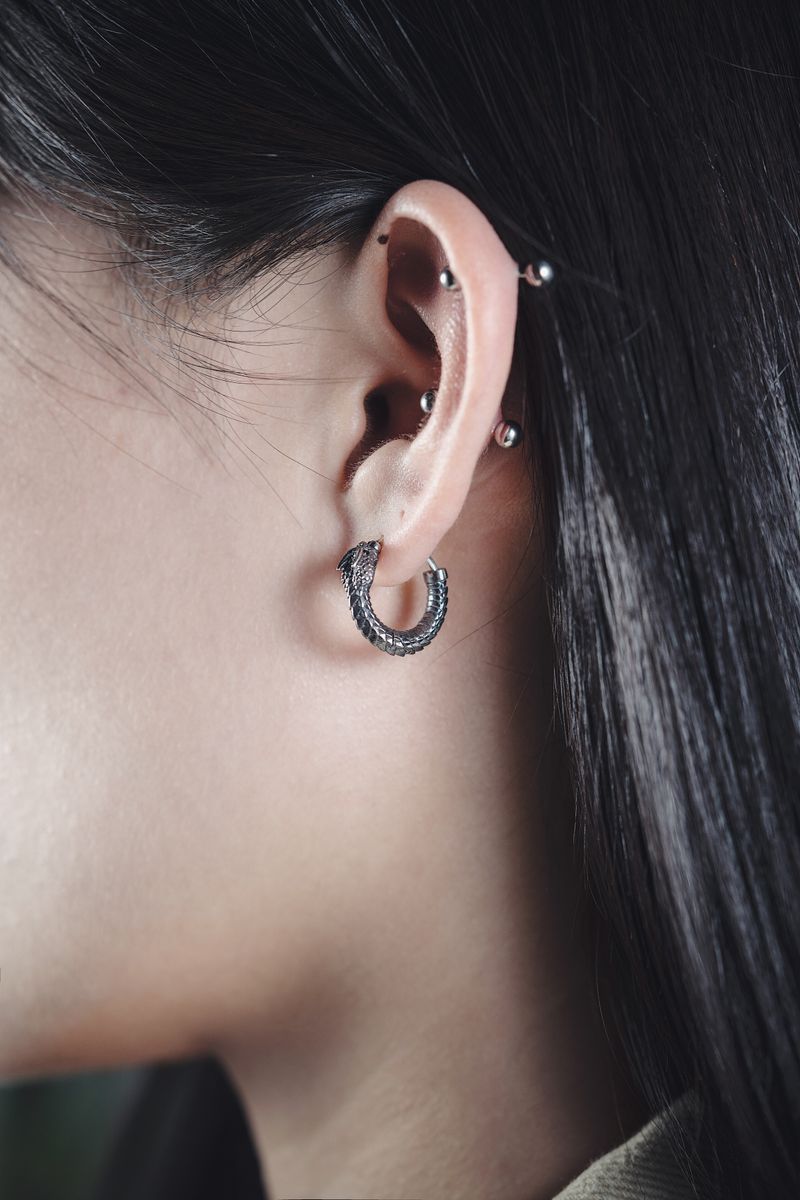
Placed in the deep bowl of the inner ear, framed neatly by the helix.
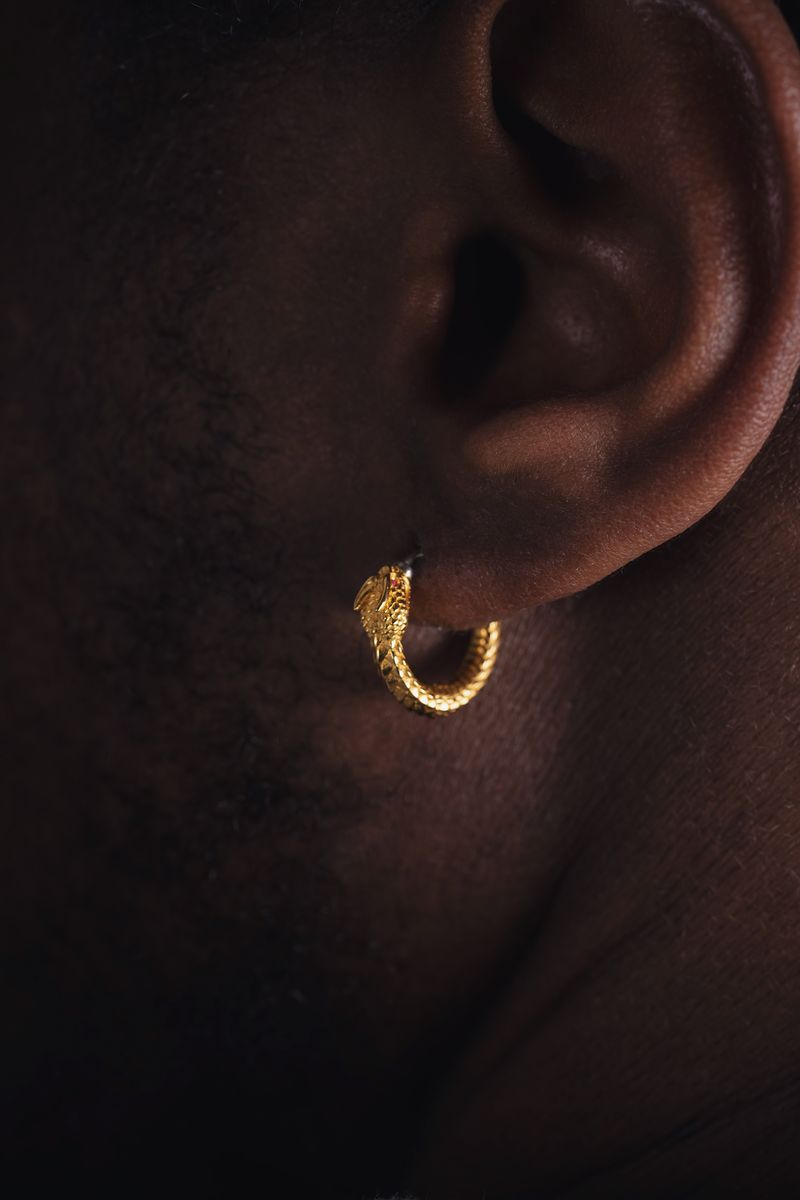
A curved cartilage piercing at the innermost fold, ideal for a hoop.
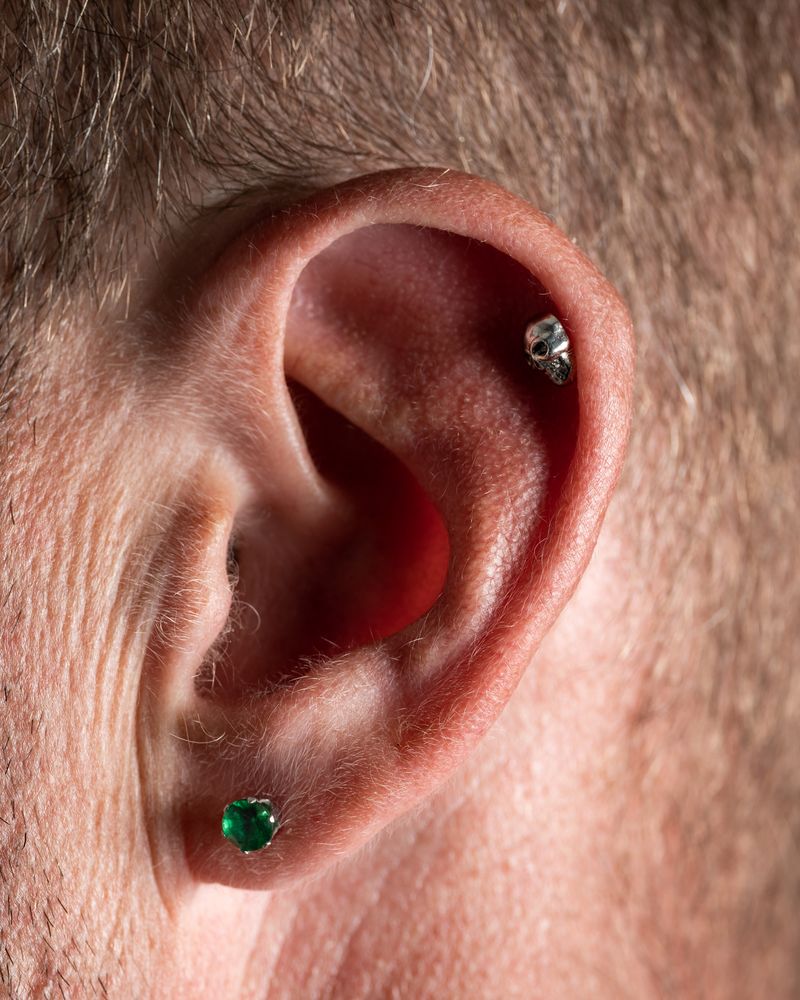
A surface piercing set flat against the upper cartilage ridge of the ear.
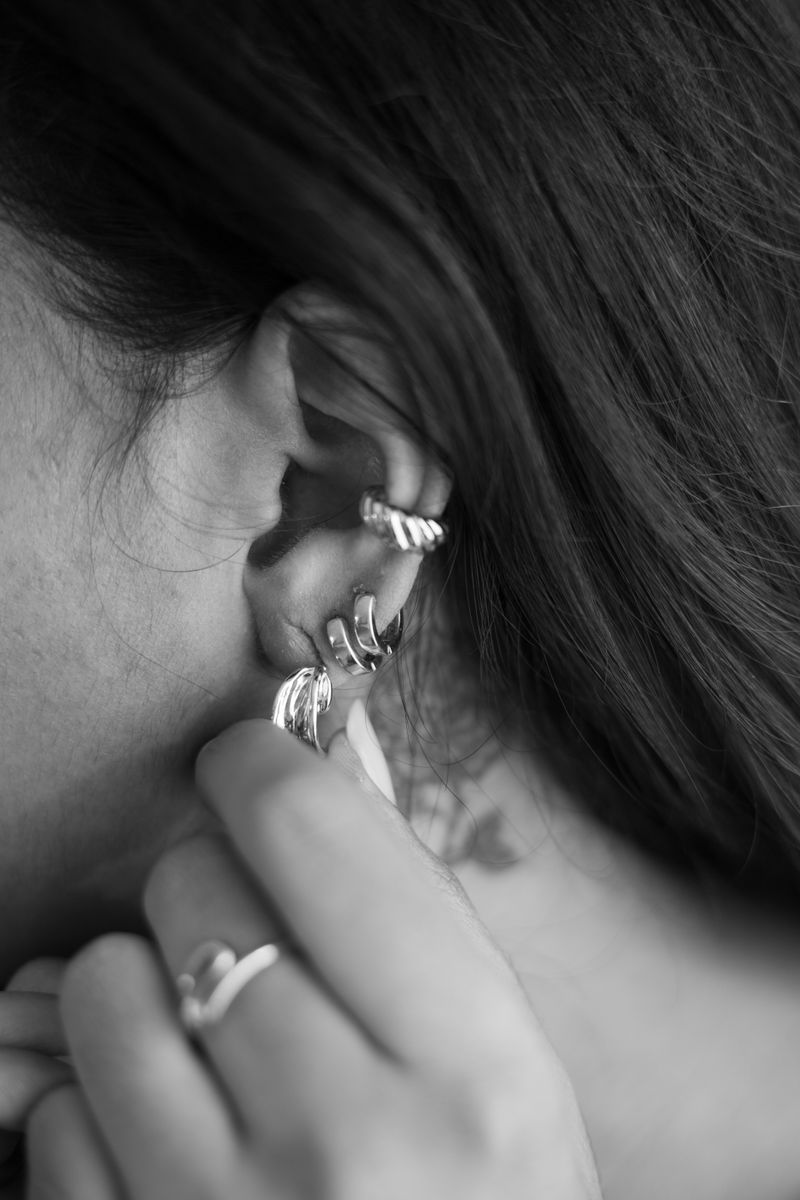
A straight bar through the upper cartilage, linking two piercing points.
Precision placements across the nose, lip, brow and septum. We will always talk you through how each one ages and heals.
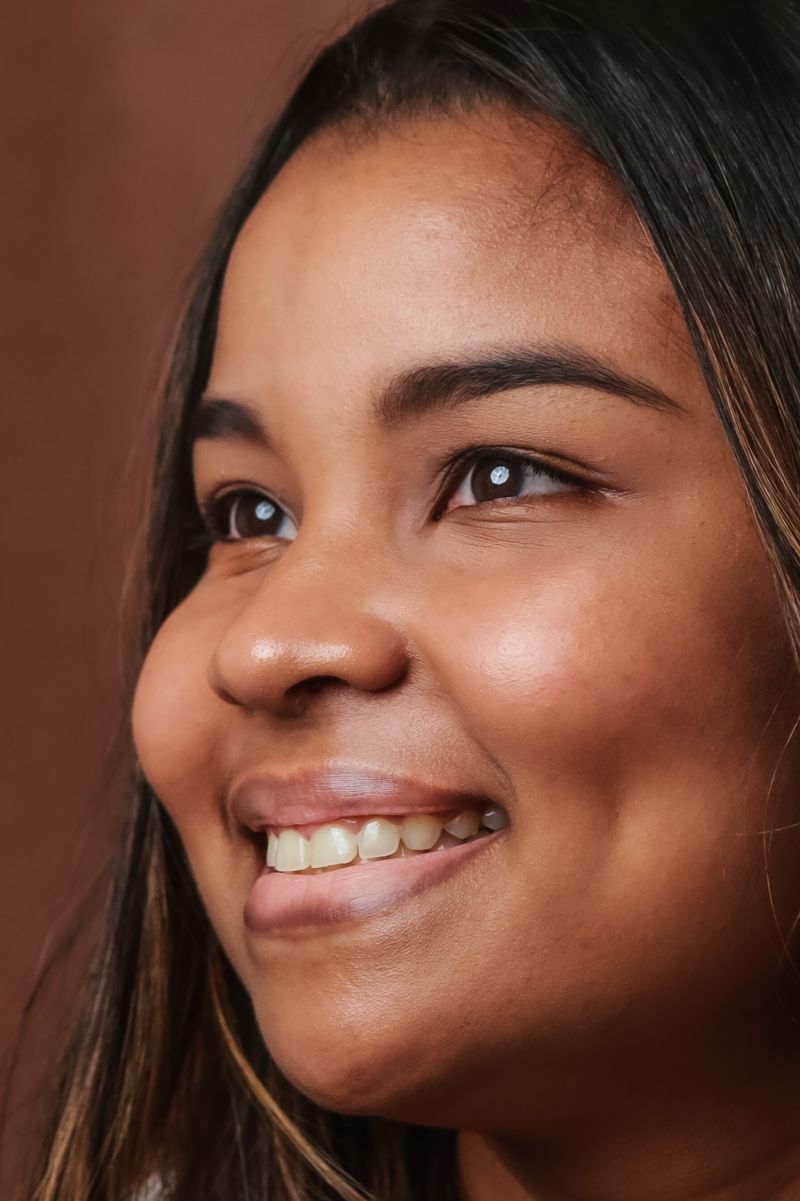
A stud set into the cheek so the jewellery sits right in the natural dimple.
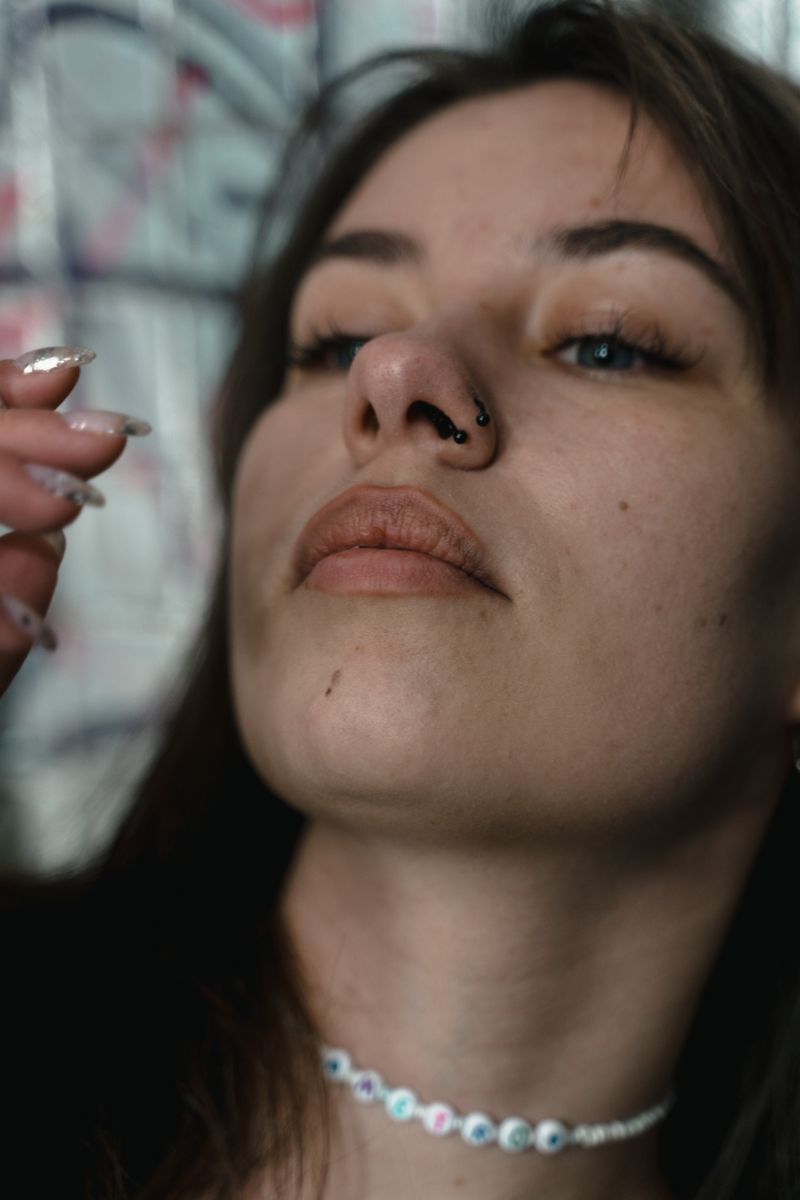
A single nostril hoop or stud — our most popular facial placement.
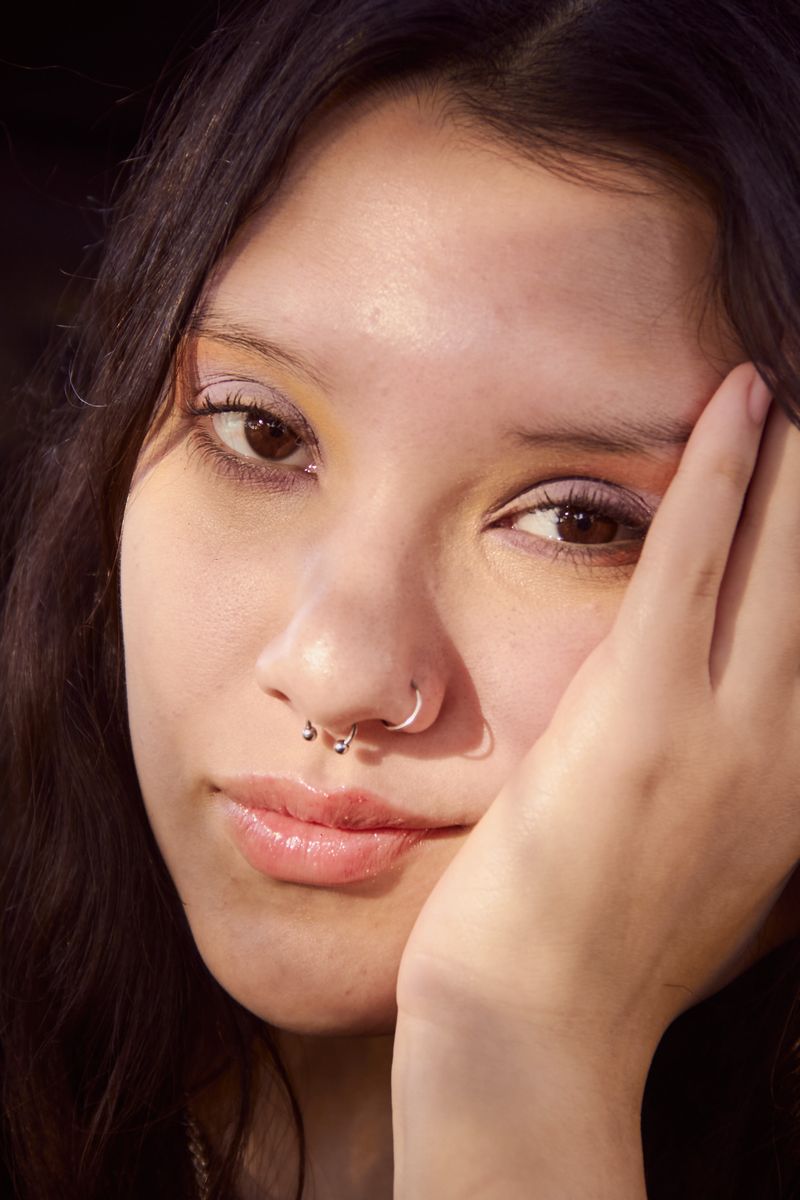
A piercing through the nasal septum, worn with a ring, horseshoe or captive bead.
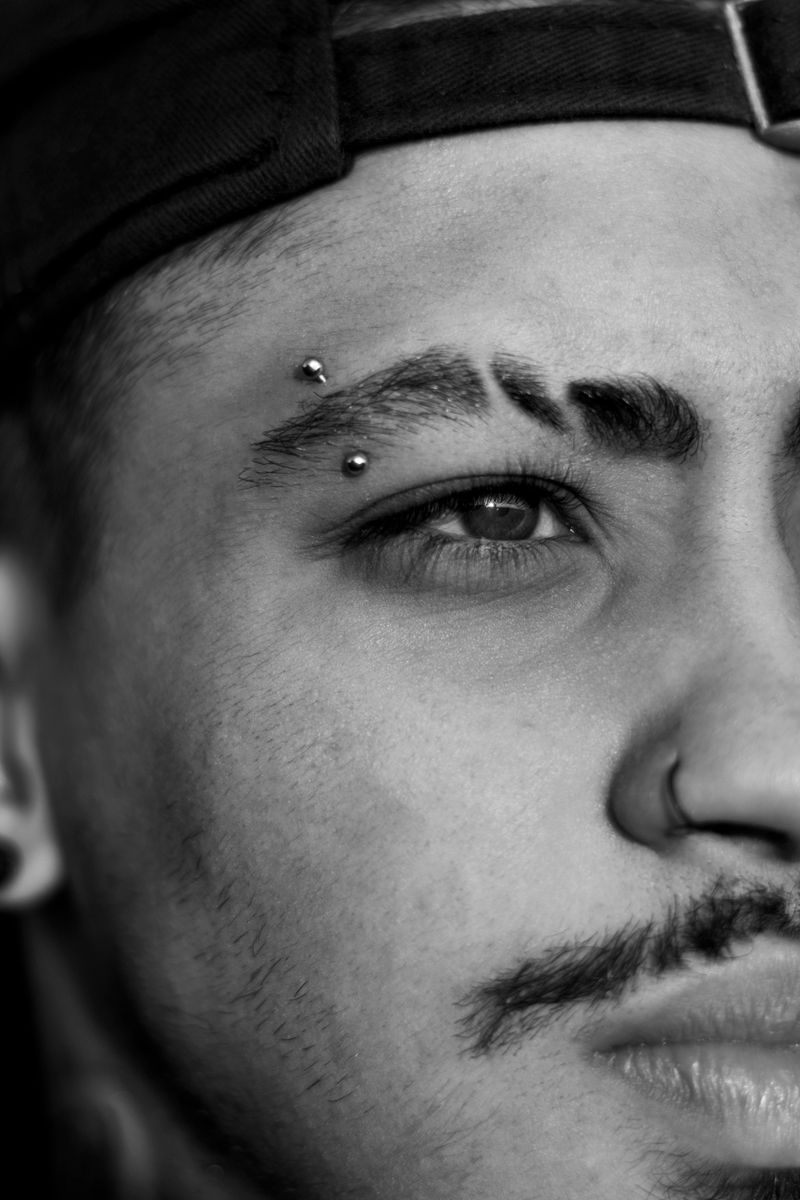
A stud through the brow tail or arch, a subtle placement with real character.
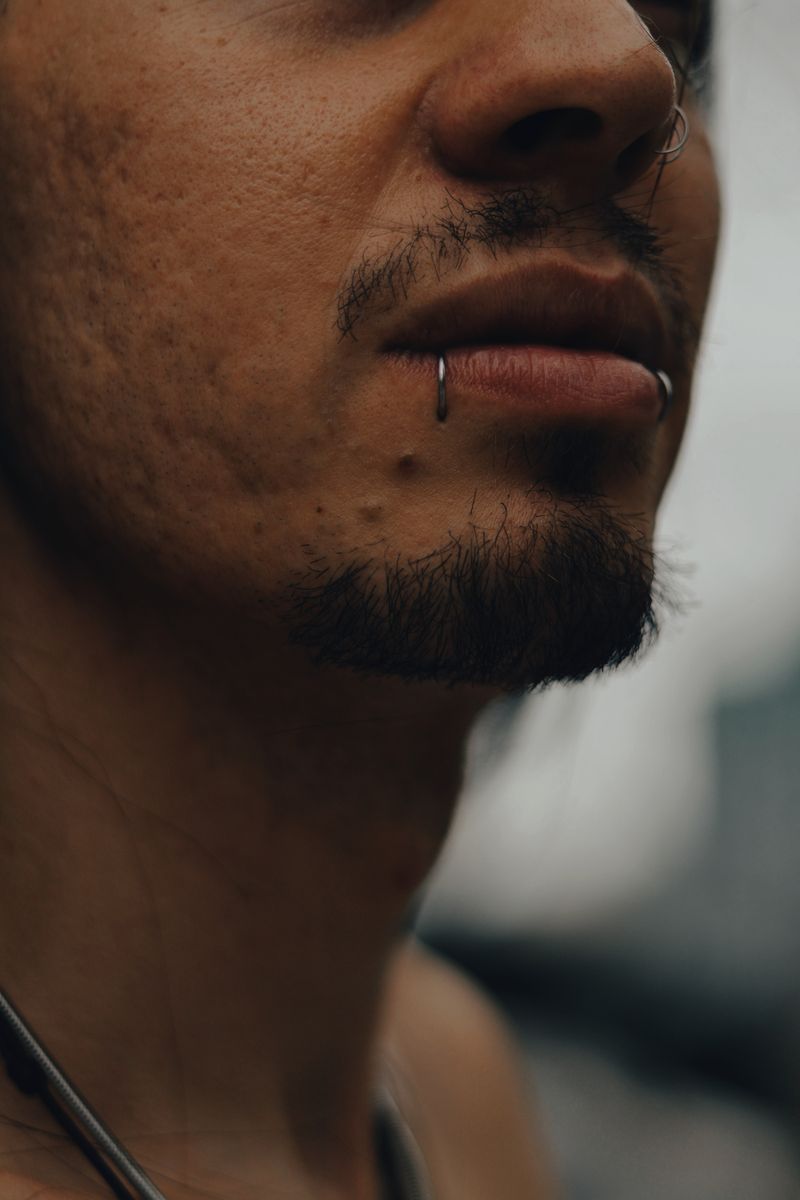
A stud or ring in the lower lip, below the centre line of the mouth.
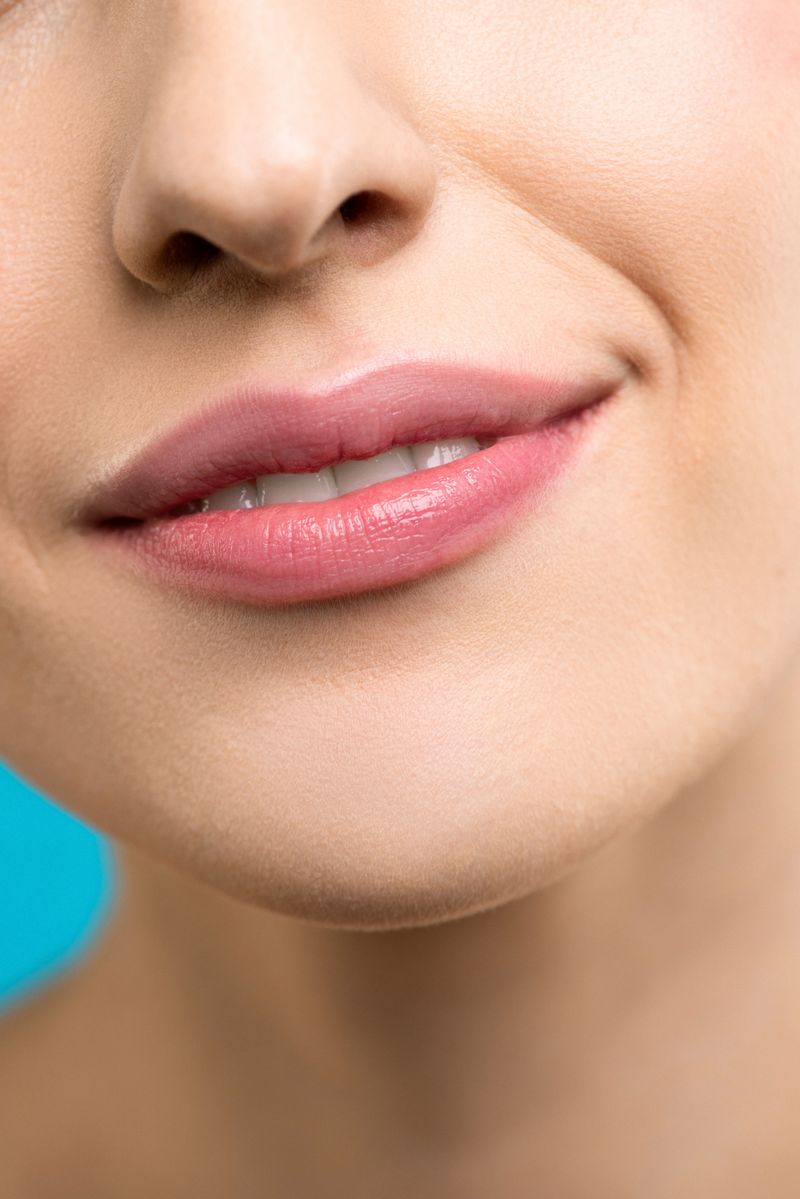
A piercing in the upper lip that curls upward when you smile.
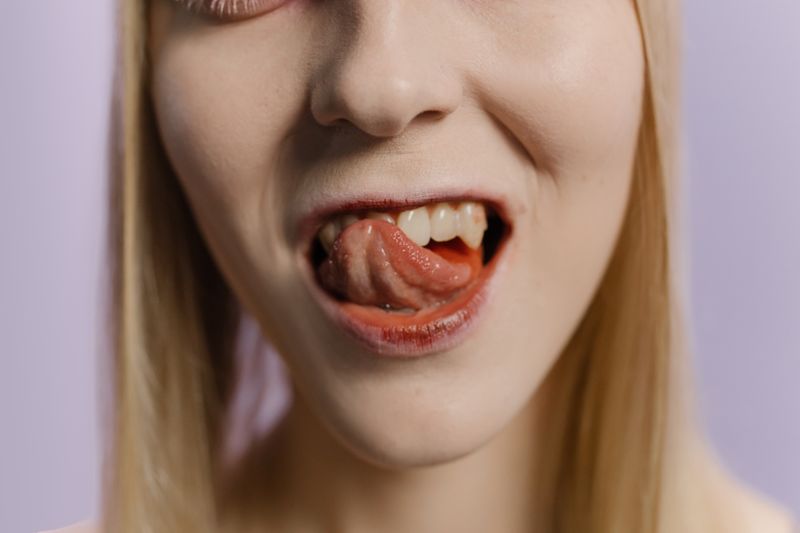
A small piercing in the web of skin under the tongue, hidden until you show it.
Navel, dermal anchors, tongue and sternum work — performed with strict aseptic technique and aftercare support.
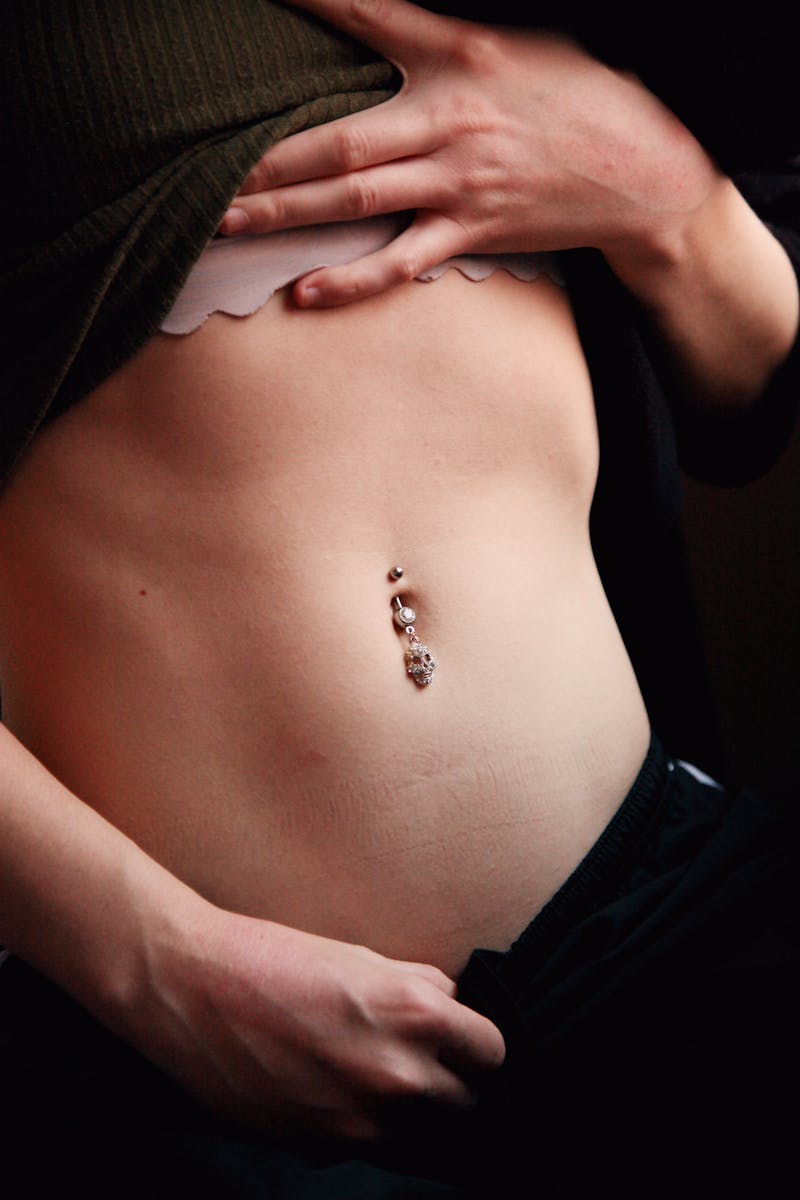
A navel piercing, worn as a ring, horseshoe or a stud above the belly button.
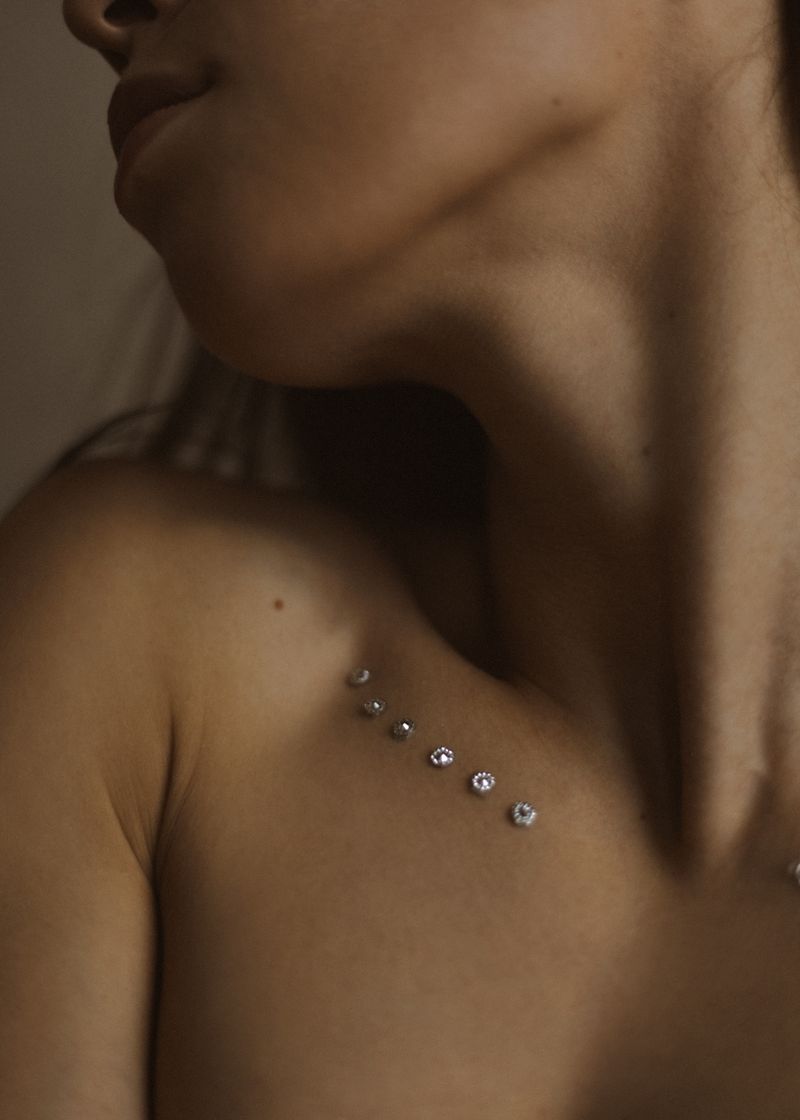
An anchor set flat against the skin, commonly on the upper arms or lower back.
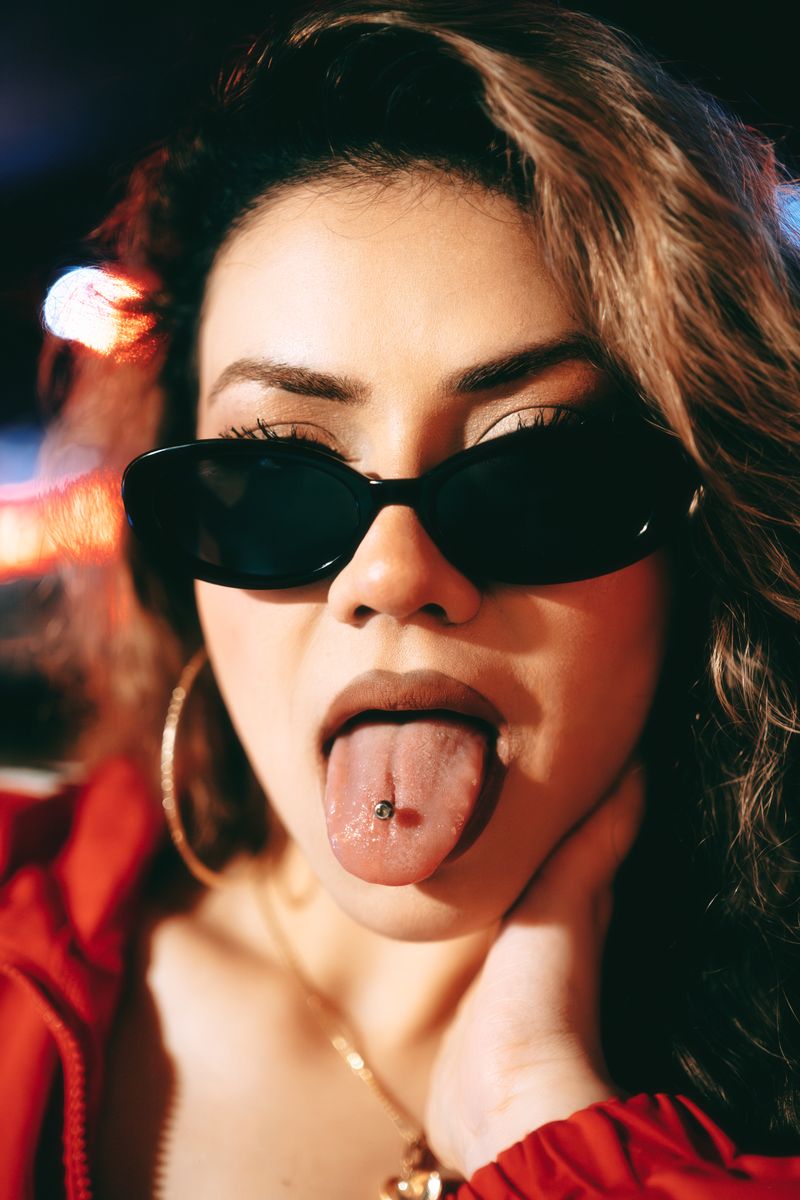
A barbell or ring through the centre of the tongue.
A horizontal bar across the hollow of the throat, high on the sternum.
Healing times, jewellery options and the reasoning behind each placement.
A straight-forward gauge piercing through the lower, soft part of the earlobe. It is the most requested placement we do and the quickest to heal, which makes it a comfortable first piercing. We will advise on gauge and placement so your lobes stay balanced.
The tragus sits directly in front of the ear canal and takes a discreet stud beautifully. Because it is cartilage, it heals more slowly than a lobe piercing and is more prone to irritation, so we use a straight, single-piece needle and recommend leaving the initial jewellery in for the full healing period.
The conch is the curved shell of the inner ear. It is one of the most visible inner-ear placements and suits everything from a minimal stud to a full hoop or tunnel. Because it is a pronounced curve, healing takes patience — swelling is normal for the first few weeks.
The daith sits in the deep fold where the upper cartilage meets the ear, and is almost always worn with a circular hoop. It is a demanding placement because of the angle of the fold, so we mark it with you in a mirror first and pierce it with a sterile, single-use hollow needle. Expect a long, slow heal.
A flat piercing passes through the ridge of cartilage that runs across the upper ear, sitting flush against it rather than through the fold. It is a surface piercing, so it takes longer to settle and must be cleaned very gently during the early weeks.
An industrial bar runs straight through the upper cartilage, linking the helix to the antihelix. It needs two clean piercing points and a good length of jewellery to sit correctly. It is one of the more involved cartilage placements, and one of the most striking when it is done well.
A dimple piercing passes through the cheek so the jewellery sits exactly where a dimple forms when you smile. The cheek is soft, vascular tissue, so we mark the placement with you in a mirror before we start and keep the jewellery low-profile while it settles. Expect more swelling than a lobe and a slower settle than most facial work.
The single nostril piercing is the most requested facial piercing we do. It suits a small hoop, a horseshoe or a simple stud depending on your anatomy. We will map your nostril shape first, because a placement that is too high or too low is difficult to change later.
A septum piercing passes through the soft cartilage at the base of the nose. It can be worn as a ring, a horseshoe or a clicker with a captive bead. Placement is everything here — we mark the sweet spot between the nostrils so the jewellery sits level and symmetrical.
An eyebrow piercing sits just under the brow line, usually toward the arch or tail. It reads as a small detail rather than a statement, which is exactly why it suits people who want something visible but quiet. The skin here is thin and moves a lot, so we mark the placement with you in a mirror before we start.
A labret piercing sits in the lower lip, below the centre of the mouth, and is one of the quickest facial placements to heal. It works well as a simple stud or with a small ring. We always place it below the lip line so it does not sit in the way of everyday movement.
A smiley piercing sits in the upper lip groove just above the teeth. Its name is literal — the ridge rolls up visibly into a smile. It is a more demanding placement than a labret, and it is prone to bumping against teeth during eating, so we will talk through aftercare in detail.
A web piercing passes through the frenulum, the thin band of skin that connects the underside of your tongue to the floor of the mouth. It is a quick placement through delicate tissue, and it sits completely hidden while it heals, visible only when you stick your tongue out. We use the smallest practical gauge and give you a clear aftercare routine to protect it.
A navel piercing is a staple for good reason — it is a strong placement that heals reliably. It can be worn as a classic ring, a horseshoe, or positioned above the belly button. Skin stretch from pregnancy, weight change or muscle development can affect the fit, so we will always check that the placement is stable for the long term.
A dermal piercing is a surface anchor that sits completely flat against the skin rather than through it, so it reads as a small piece of jewellery from the outside. It is a genuinely advanced technique and one of the more involved procedures we perform. We will place it where your skin is stable and free of tension, then guide you on keeping the anchor clean as it knits in.
A tongue piercing goes through the muscular centre of the tongue, usually as a barbell or a ring. It heals quickly but is more prone to swelling in the first couple of weeks, which affects what you can eat. We will place it clear of the gum line and talk you through a soft-diet recovery.
A sternum piercing runs horizontally across the hollow at the base of the throat. The bone here is dense and close to the surface, which makes this one of the most technically demanding placements we offer and one that hurts most during the pass. It is also one of the most striking. We assess bone depth carefully before committing to the placement.
A short list of things we will not compromise on, at any price point.
Every piercing is performed with a sterile, single-use hollow needle. We never use a piercing gun — guns cannot be autoclaved properly and force the tissue instead of displacing it.
Every listed price covers the procedure plus a pair of jewellery in implant-grade titanium or 14k gold. Prices start from ₹350 and nothing is added at the chair.
We mark every placement with you in a mirror before we begin, checking your anatomy for symmetry and long-term stability. We will talk you out of a placement if it will not suit you.
Your piercing is performed by a professional who works exclusively in body piercing, not as an add-on between tattoo appointments. A calm environment, no spectators.
You leave with sterile saline, a printed aftercare guide and a written checklist of what is normal and what is not. Free aftercare checks for as long as you are healing.
Swelling, tenderness and a little clear discharge in the first weeks are normal, not infection. If you are ever unsure, message or call us — aftercare advice is always free.
Four rules that cover almost every problem we are asked about.
Wash with sterile saline or a fragrance-free cleanser, then pat dry with a clean paper towel. Never rub, and never pick at any crust that forms.
Avoid touching, twisting or playing with your jewellery. If you must handle it, wash and dry your hands first — this is the single biggest cause of avoidable infections.
No swimming, baths, saunas or swimming pools until the piercing is fully healed. Keep it out of the sun and avoid sleeping on that side where possible.
Do not change or remove the initial jewellery before the piercing has fully healed. The tunnel needs months to form — early removal is the most common cause of a collapsed hole.
Book a piercing appointment from ₹350. Every price includes jewellery, an aftercare kit and a free check-up while you heal.
Book Appointment